زبان
زبان 
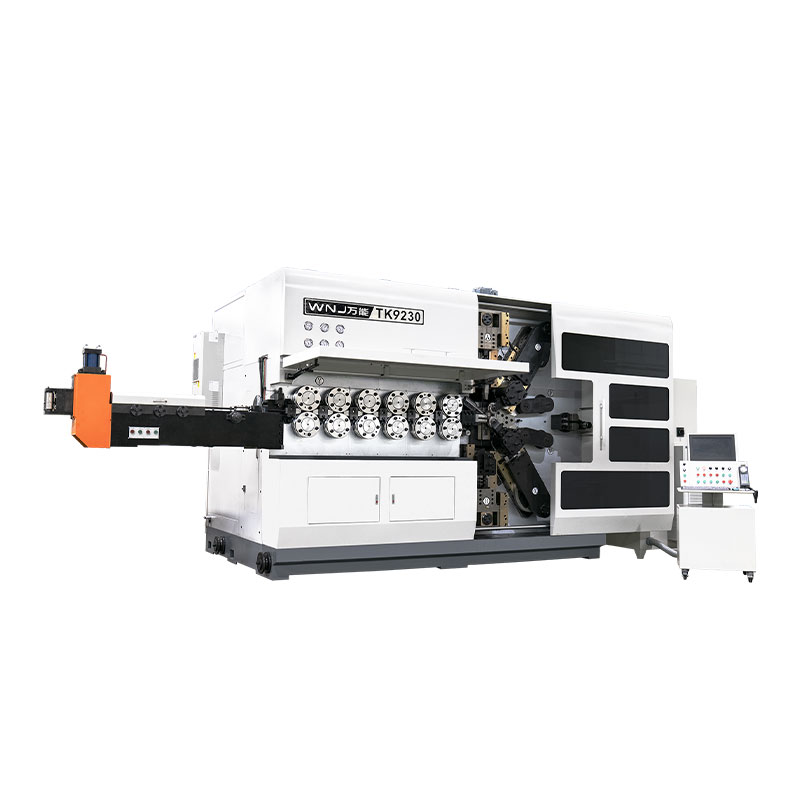
A CNC wire forming machine is a computer-controlled system that bends, cuts, and shapes metal wire into precise geometries — from simple hooks to complex 3D forms — without manual repositioning or tooling changes between cycles. The core advantage is repeatability: a properly programmed CNC wire forming machine can hold dimensional tolerances within ±0.05 mm across thousands of parts per shift, something that is essentially impossible to achieve by hand or on older cam-driven equipment.
For manufacturers sourcing spring and wire-form components, the distinction matters enormously. الف CNC spring forming machine — a specialized variant of wire forming equipment — can produce compression springs, torsion springs, extension springs, and custom coil profiles from the same wire spool by simply loading a new program. Setup time drops from hours to minutes. Scrap rates, which on legacy equipment commonly run 3–8% during changeovers, fall to under 1% on modern CNC platforms because the machine self-corrects via closed-loop feedback.
This article explains how these machines work, what separates entry-level from industrial-grade systems, how to match machine specifications to your wire diameter and production volume, and what to look for when evaluating a supplier or building in-house capacity.
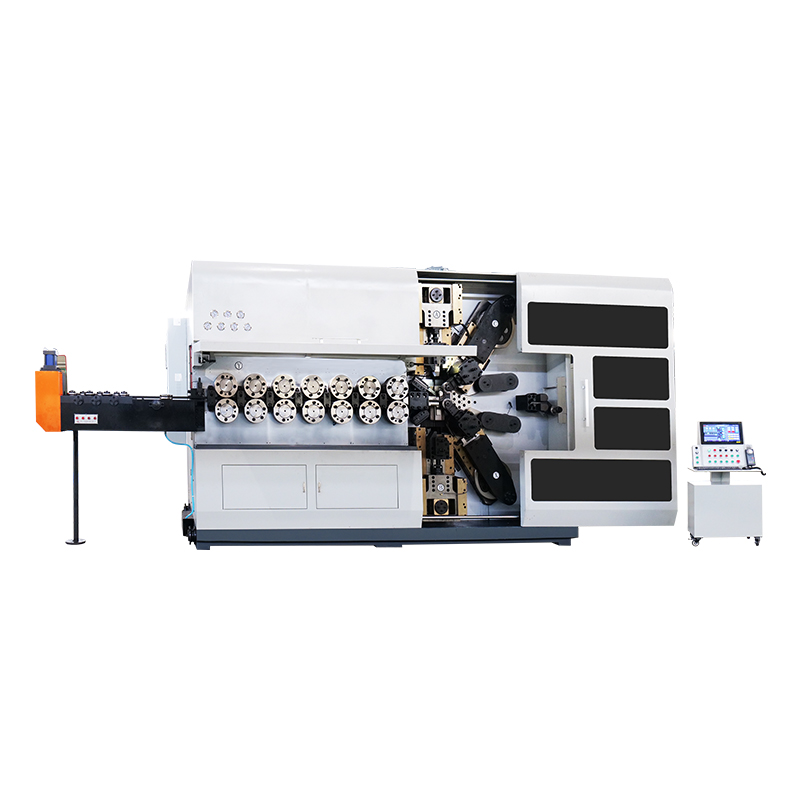
At a mechanical level, a CNC wire forming machine feeds wire from a coil through a straightener, then into a forming head equipped with multiple bending tools arranged radially. A servo-driven feed mechanism advances the wire in precise increments while individual servo axes rotate or extend the bending tools to create each bend angle in sequence. The entire motion profile — feed length, bend angle, rotation speed, dwell time — is stored as a CNC program that runs identically every cycle.
Entry-level machines typically operate on 2–4 axes. Mid-range equipment runs 6–8 axes and can produce flat wire forms with multiple bends in a single pass. High-end systems reach 12 or more axes and can execute full 3D wire forms — helical shapes, spatial curves, multi-plane bends — without operator intervention. Each additional axis adds capital cost but reduces the number of secondary operations needed downstream.
Traditional wire forming machines used a rotating cam shaft to drive tool motion. Cam profiles were physically machined for each part, making changeover slow and inflexible. CNC wire forming machines replace cams with independent servo motors on each axis. The result: changing a part program takes under five minutes, and the same machine can run 200 different part numbers in a single week without retooling. Servo systems also allow the controller to detect wire springback and compensate automatically — a significant advantage when forming high-carbon steel or stainless wire where material batch variation affects the final angle.
Premium CNC wire forming machines incorporate inline measurement — laser sensors, vision systems, or contact gauges — that measure the finished part before it exits the machine. If a dimension drifts outside tolerance, the controller adjusts the corresponding axis offset immediately. This closed-loop approach is what allows lights-out production runs overnight without a dedicated operator watching every cycle.
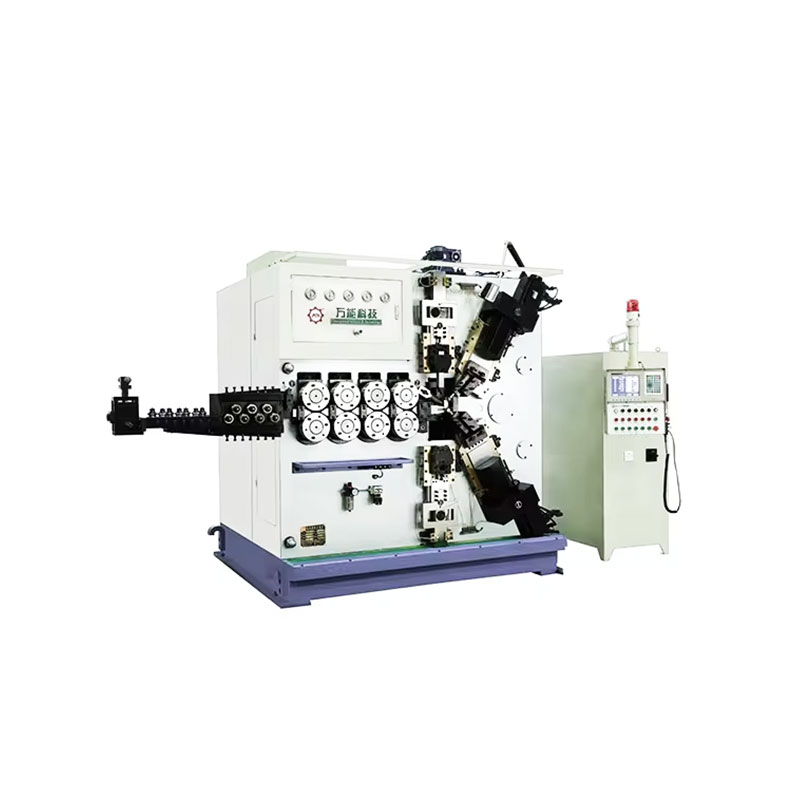
The market segments into several distinct machine categories, each optimized for different wire gauges, geometries, and production environments. Understanding the differences prevents a common and expensive mistake: buying a machine rated for the wrong wire diameter range.
| نوع ماشین | Wire Diameter Range | Typical Axis Count | بهترین برنامه | Approximate Cycle Rate |
|---|---|---|---|---|
| CNC compression spring machine | 0.1 – 6 mm | 4-6 | High-volume coil springs | Up to 300 pcs/min |
| CNC torsion spring machine | 0.2 – 8 mm | 6-8 | Torsion springs with angled legs | 20 – 80 pcs/min |
| Universal CNC spring forming machine | 0.1 – 12 mm | 8 – 12 | Mixed spring types, frequent changeover | 15 – 120 pcs/min |
| CNC wire bending machine | 1 – 20 mm | 4-10 | Shaped wire forms, brackets, frames | 5 – 60 pcs/min |
| 3D CNC wire forming machine | 0.5 – 16 mm | 10-16 | Complex spatial wire assemblies | 2 – 30 pcs/min |
These are the workhorses of the spring industry. A dedicated CNC spring forming machine for compression springs uses a pitch tool and two or more forming rolls to coil wire continuously. Modern machines can switch from one spring OD to another in under 15 minutes by adjusting servo parameters — no physical tooling swap required for moderate diameter changes. Production rates of 150–300 pieces per minute are standard for small-diameter wire (under 2 mm).
For manufacturers who need flexibility above raw throughput, a universal CNC spring forming machine handles compression, extension, and torsion springs plus shaped wire forms. The trade-off is that cycle rates are lower than single-purpose machines, and the initial investment is higher — typically 40–80% more than a dedicated compression spring machine of equivalent wire range. However, the ability to respond to varied customer orders without buying multiple machines often makes the economics favorable for job shops and contract manufacturers.
A full 3D CNC wire forming machine can rotate the forming head or the wire itself between bends, creating forms with compound angles and spatial curves that flat-bending machines cannot produce. These are used in automotive wire harness supports, medical device components, and furniture frames. Some 3D systems integrate welding or assembly operations inline, which further reduces manual handling.
Choosing the wrong machine based on headline numbers — maximum wire diameter, maximum axis count — is one of the most common procurement errors. These specifications need to be evaluated together, not in isolation.
Every CNC wire forming machine specifies a minimum and maximum wire diameter, but the usable range is narrower than the published figures suggest. A machine rated for 0.3–8 mm will typically perform best in the 1–6 mm range. At the extremes, forming forces increase dramatically and the machine may not maintain stated tolerances. Verify the machine's rated capacity for the specific material you intend to run: stainless steel requires 30–50% more forming force than mild steel at the same diameter , and high-carbon spring steel requires more still. Always confirm the machine's force ratings with the material grade, not just the wire gauge.
سرعت تغذیه (بر حسب متر در دقیقه) همراه با طول سیم قطعه، حداکثر نرخ تولید نظری را تعیین می کند. A machine with a 60 m/min feed speed producing a part requiring 0.5 m of wire can theoretically run 120 parts per minute — but only if the bending cycle time is shorter than the feed time. برای قطعات پیچیده با خمش های زیاد، چرخه خمشی به گلوگاه تبدیل می شود و سرعت تغذیه تا حد زیادی بی ربط است. Request cycle time data for a representative part from your actual part library, not a simple benchmark part used for marketing purposes.
These are not the same measurement. دقت توصیف می کند که یک خروجی منفرد چقدر به بعد برنامه ریزی شده نزدیک است. Repeatability describes how consistently the machine produces the same output across thousands of cycles. For most industrial wire forming applications, repeatability is more important than absolute accuracy ، زیرا قطعات با یکدیگر اندازه گیری می شوند تا با استاندارد مطلق. Leading CNC wire forming machines achieve ±0.05 mm repeatability on bend length and ±0.3° on bend angle under controlled conditions. Ask for data across a full production run, not a capability study conducted under ideal conditions.
The CNC controller is the machine's brain, and the quality of the programming interface directly affects changeover time, operator skill requirements, and the ability to store and retrieve programs efficiently. Look for controllers that offer graphical simulation — the ability to preview the full wire form motion on screen before running a physical part. این ویژگی به تنهایی می تواند زمان برنامه نویسی را 50 تا 70 درصد برای قطعات پیچیده کاهش دهد. Confirm that the controller can store a sufficient number of programs (500 for job shops) and that programs can be backed up to an external server or cloud system.
A straightener that cannot remove coil set from the wire spool will introduce dimensional errors that no amount of servo compensation can correct. دستگاه های سیم ساز CNC با کیفیت بالا شامل صاف کننده های چند غلتکی با غلتک های قابل تنظیم مستقل برای هر محور انحنا هستند. For stainless or high-carbon wire, a straightener with hardened rollers and a roller diameter at least 10x the wire diameter is the minimum acceptable specification.
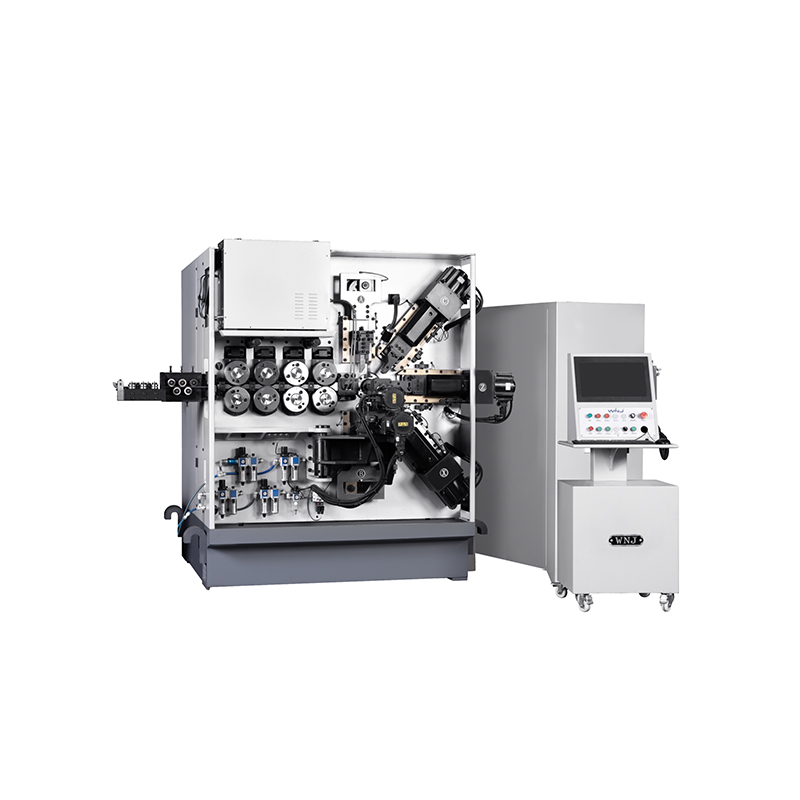
The range of materials that modern CNC wire forming machines can handle has expanded significantly over the past decade, driven by demand from medical, aerospace, and electronics sectors.
خروجی سیمسازهای CNC و دستگاههای شکلدهی فنری تقریباً در هر دسته محصولی که شامل عملکرد مکانیکی است، تعبیه شده است. درک تقاضاهای برنامه در هر بخش به توضیح اینکه چرا مشخصات ماشین بسیار متفاوت است کمک می کند.
یک وسیله نقلیه مسافربری تکی شامل 300 تا 1200 فنر و اجزای سیمی است که همه چیز را از فنرهای سوپاپ در موتور گرفته تا مکانیسم های تکیه دادن صندلی تا فنرهای بازرسی درب را پوشش می دهد. وسایل نقلیه الکتریکی نیاز به فنر متفاوتی نسبت به خودروهای احتراقی دارند - فنرهای سوپاپ کمتر اما فنرهای تعلیق بیشتر و اجزای مدیریت باتری - که تقاضا را به سمت سیم با قطر بزرگتر و طول آزاد بیشتر تغییر می دهد. تامینکنندگان ردیف 1 خودرو معمولاً دستگاههای شکلدهی فنری CNC با حجم بالا را با سرعت 100 قطعه در دقیقه با خطوط مرتبسازی و بستهبندی خودکار کار میکنند.
The medical sector demands the tightest tolerances and most demanding material specifications of any CNC wire forming application. Surgical clips, guidewires, bone anchors, and stent scaffolds may require tolerances of ±0.02 mm or better, with 100% dimensional inspection of every part. دستگاه سیمساز CNC مورد استفاده برای قطعات پزشکی باید قابلیت پردازش نیتینول، MP35N و سایر آلیاژهای ویژه را داشته باشد و محیط تولید باید استانداردهای اتاق تمیز را داشته باشد. Production volumes are relatively low but part values are high — unit prices in the range of $5–$500 per wire form are common depending on complexity and material.
Fine wire forming at diameters below 0.5 mm requires a specialized CNC wire forming machine with micro-scale forming tools, high-speed feed systems, and vision-based inline inspection. Contact springs for connectors, antenna elements, and shield clips are produced in this way. Tolerances are extreme: a connector contact spring may have a free length tolerance of ±0.1 mm and a spring force specification within ±10 grams — requirements that only CNC-controlled equipment can reliably achieve at volume.
Return springs, detent springs, retaining clips, and wire guides for industrial machinery are generally produced in medium volumes with moderately tight tolerances. This sector is where universal CNC spring forming machines are most commonly deployed, because the variety of parts needed for one production line can span multiple spring types and wire diameters.
Springs and wire forms in consumer products must meet cost targets that industrial or medical parts do not face. High-volume CNC spring forming machines running at 150–300 pieces per minute are the norm here. Material is typically carbon steel or light stainless, tolerances are moderate (±0.1–0.3 mm), and the competitive advantage comes from machine utilization and raw material cost rather than technical complexity.
Programming a CNC wire forming machine is fundamentally different from programming a machining center. There is no standard G-code for wire forming — each machine builder uses a proprietary programming language or graphical interface, and programs are not portable between brands without conversion. This is one of the most underappreciated factors when selecting a machine platform.
Modern controllers offer graphical programming environments where the operator defines the wire form geometry visually — specifying bend angles, bend radii, feed lengths, and tool assignments on a screen representation of the finished part. The controller then generates the servo motion profile automatically. This approach reduces programming time for simple-to-medium parts to 20–60 minutes. Text-based programming (entering numerical values directly) is faster for experienced programmers modifying an existing program but has a steeper learning curve for new operators.
Metal wire springs back elastically after each bending operation. A 90° programmed bend in 2 mm stainless wire may produce only an 82–85° actual bend if springback is not compensated. CNC wire forming machines address this in two ways: the programmer manually enters overbend values based on material data and experience, or the machine uses an adaptive system that measures the first part, calculates the required correction, and updates the program automatically. Adaptive compensation systems reduce the number of sample parts needed during setup from 10–20 to 2–5, which is significant when running expensive materials.
Some CNC wire forming machine platforms now offer offline simulation software that models the full forming process on a computer before any physical wire is consumed. The simulation predicts forming forces, identifies potential tool collisions, and estimates springback based on material input data. For complex 3D wire forms, offline simulation can save hours of physical setup time and dozens of meters of expensive wire during the programming phase.

A CNC wire forming machine operating at 100 pieces per minute runs approximately 6 million cycles per month. At this intensity, maintenance discipline directly determines machine uptime and dimensional consistency. Neglected maintenance on a wire forming machine does not typically cause catastrophic failure — instead, it causes gradual dimensional drift that may go unnoticed until customer complaints arrive.
شایع ترین علت رانش ابعادی در ماشین های شکل دهی سیم CNC خرابی الکترونیکی نیست - این سایش مکانیکی در ابزار شکل دهی و رول های تغذیه است. رول خوراکی که از قطر اسمی خود به میزان 0.05 میلیمتر ساییده شده است، یک خطای تغذیه تجمعی ایجاد میکند که در هر خم ترکیب میشود و باعث میشود که قطعه تمامشده کوتاهتر از آنچه برنامهریزی شده باشد. اندازه گیری منظم قطر رول تغذیه و جایگزینی آن در حد سایش تعریف شده (معمولاً 0.1 میلی متر کمتر از حد اسمی) از این حالت خرابی به طور کامل جلوگیری می کند.
بازار ماشینهای شکلدهی سیم CNC طی پنج سال گذشته شاهد پیشرفتهای فنی ثابتی بوده است که ناشی از الزامات اتوماسیون، تنوع مواد و نیاز به اسناد با کیفیت دقیقتر در صنایع تحت نظارت است.
ماشینهای تشکیلدهنده سیم CNC مستقل به طور فزایندهای با جابجایی قطعات یکپارچه ارسال میشوند - نوار نقالهها، کاسههای ارتعاشی و بازوهای انتقال رباتیک که قطعات نهایی را مستقیماً به ایستگاههای بازرسی یا تجهیزات بستهبندی منتقل میکنند. For high-volume applications, fully automated cells eliminate all manual handling between the wire coil and the finished packaged part. The investment is higher, but labor cost per part drops by 60–80% compared to manual collection and sorting.
دستگاههای سیمساز مدرن CNC میتوانند دادههای تولید - تعداد چرخه، نرخ رد، نتایج اندازهگیری ابعادی، زمان کارکرد دستگاه - را در زمان واقعی از طریق OPC-UA یا پروتکلهای ارتباطی صنعتی مشابه، خروجی دهند. این دادهها مستقیماً به سیستمهای اجرایی تولید (MES) وارد میشوند و به مدیران تولید اجازه میدهند خروجی شکلدهی سیم را در کنار سایر فرآیندهای تولید روی یک داشبورد نظارت کنند. برای مشتریانی که به اسناد کنترل فرآیند آماری (SPC) نیاز دارند، این قابلیت به جای یک ویژگی ممتاز به یک نیاز استاندارد تبدیل شده است.
آخرین نسل سروو درایوهای مورد استفاده در دستگاههای شکلدهی فنری CNC وضوح موقعیت کمتر از 0.001 میلیمتر و زمان پاسخدهی کمتر از 1 میلیثانیه را ارائه میدهد. This enables forming speeds that were not achievable five years ago while maintaining equivalent dimensional accuracy. برخی از تولیدکنندگان، بهبود توان عملیاتی را 25 تا 35 درصد از ارتقاء درایوهای سروو در ماشینهای موجود بدون تعویض ساختار مکانیکی گزارش میکنند.
Machine builders are increasingly engineering CNC wire forming systems specifically for high-strength alloys and superelastic materials. طراحیهای تخصصی سر شکلدهی با سفتی بالاتر و مدیریت حرارتی بهتر، امکان پردازش مداوم اینکونل، تیتانیوم و نیتینول را با نرخهای تولیدی فراهم میکند که قبلاً فقط با تجهیزات نیمه خودکار دستی قابل دستیابی بود.
دستگاه شکلدهی فنر CNC نوع خاصی از دستگاه سیمساز CNC است که برای تولید فنرها - عمدتاً فنرهای فشاری، کششی و پیچشی - از سیم پیچدار بهینه شده است. دستگاه سیمساز CNC دستهبندی گستردهتری است که شامل شکلدهی فنری است، اما شکلهای سیم مسطح، براکتهای شکلدار، گیرهها و سایر هندسههای غیر فنری را نیز پوشش میدهد. Many manufacturers use the terms interchangeably for universal machines that handle both functions.
برای برنامهای که قبلاً در کنترلکننده ذخیره شده است و از همان قطر سیم استفاده میکند، تغییر روی یک دستگاه سیمساز مدرن CNC معمولاً 5 تا 15 دقیقه طول میکشد - عمدتاً زمان تأیید قسمت اول و تأیید ابعاد. If a wire diameter change is also required, add 15–30 minutes to change and thread the new wire and adjust the straightener. Physical tooling changes (for parts requiring specialized forming geometry) can add 30–90 minutes.
Wire diameter capability varies widely by machine model. دستگاه های شکل دهی فنر CNC سطح ورودی معمولاً 0.1-4 میلی متر را تحمل می کنند. Mid-range machines cover 0.3–8 mm. دستگاه های با ظرفیت بالا تا 16 میلی متر یا بیشتر برای فنرهای صنعتی گسترش می یابد. قانون عملی این است که یک ماشین منفرد در محدوده تقریباً 10:1 بهترین عملکرد را دارد - بنابراین ماشینی که 5/0 تا 5 میلیمتر رتبهبندی شده است نتایج بهتری در این محدوده نسبت به ماشینهایی که اسماً 0.1 تا 16 میلیمتر است اما از نظر فیزیکی برای انتهای بزرگتر اندازهگیری شده است، تولید میکند.
Yes, but not all machines are equally suited. فولاد ضد زنگ، به ویژه گریدهای سخت تر مانند 17-7PH، به نیروهای شکل دهی به طور قابل توجهی بالاتری نسبت به فولاد نرم در همان قطر نیاز دارد. تأیید کنید که مشخصات نیروی شکلدهی و گشتاور دستگاه حداقل 30 تا 40 درصد فضای سر بالاتر از نیروی شکلدهی محاسبهشده برای درجه و قطر سیم خاص شما ایجاد میکند. همچنین بررسی کنید که مواد صاف کننده و رول تغذیه برای ضد زنگ مناسب هستند - غلتک های فولادی استاندارد هنگام اجرای مداوم سیم ضد زنگ به سرعت سایش می کنند.
Standard CNC spring forming machines produce forms in a single plane or in a helical coil geometry. True 3D wire forms — with bends in multiple planes — require a machine with a rotating forming head or wire rotation capability. برخی از تولیدکنندگان یک اتصال محور چرخشی اختیاری را برای دستگاههای شکلدهی فنر CNC استاندارد خود ارائه میکنند که قابلیت سه بعدی جزئی را اضافه میکند، اگرچه دامنه هندسههای قابل دستیابی باریکتر از یک سیستم سه بعدی ساخته شده است.
محاسبه نقطه سر به سر به پیچیدگی قطعه، هزینه مواد و تلورانس های مورد نیاز بستگی دارد، اما به عنوان یک دستورالعمل کلی: اگر بیش از 50000 تا 100000 قطعه سیمی در سال با یک طراحی سازگار خریداری می کنید، اقتصاد شکل دهی سیم CNC داخلی معمولاً به سرمایه گذاری سرمایه کمک می کند. کمتر از این حجم، برون سپاری به یک سازنده فنر قراردادی با تجهیزات CNC موجود معمولا مقرون به صرفه تر است. اگر قطعات شما به تلورانس های فشرده، مواد ویژه یا زمان کوتاهی نیاز داشته باشند که سازندگان قراردادی در تلاش برای تطبیق قابل اطمینان آن هستند، این آستانه به طور قابل توجهی کاهش می یابد.
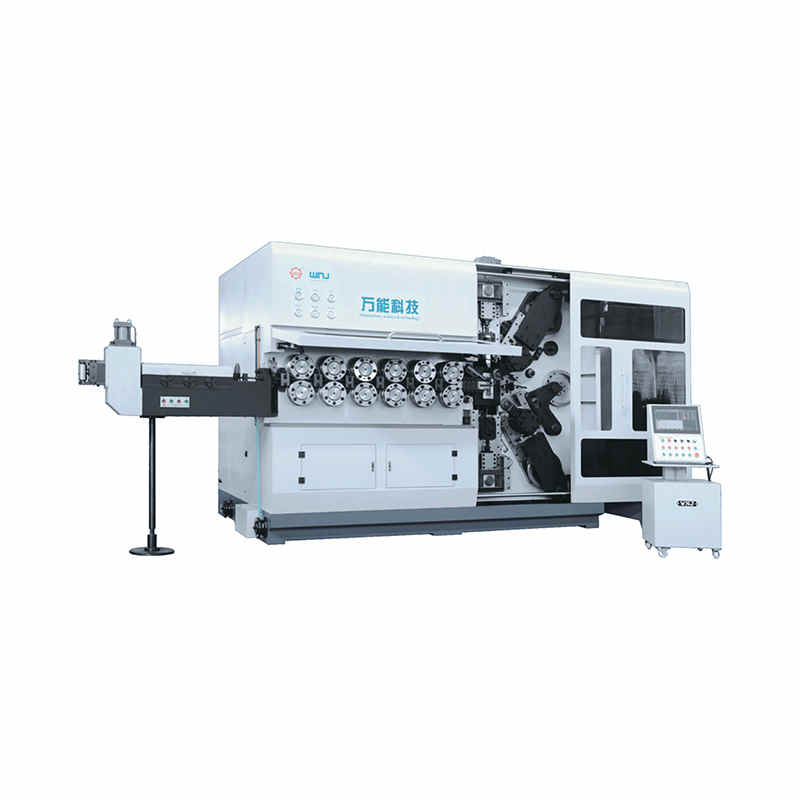
TK-13200، TK-7230 TK-13200, TK-7230 12AXES CNC فنری کویلینگ ...
مشاهده جزئیات
TK-13200، TK-7230 TK-13200, TK-7230 12AXES CNC فنری کویلینگ ...
مشاهده جزئیات
TK12120 دستگاه سیم پیچ فنری CNC TK-12120 12AXES ...
مشاهده جزئیات
TK-6160 دستگاه نورد فنری CNC TK-6160 ...
مشاهده جزئیات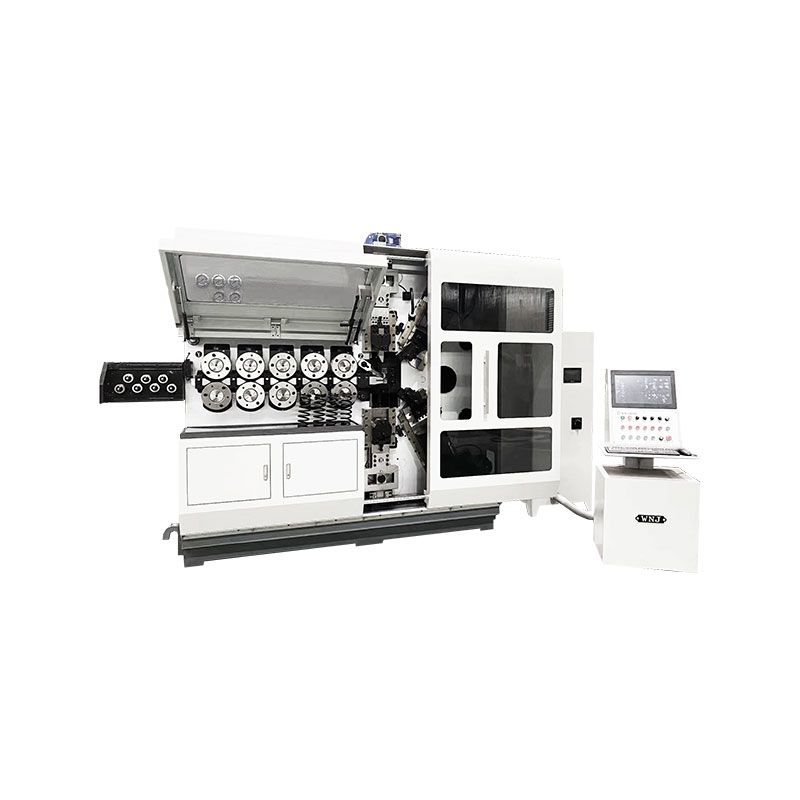
TK-6120 دستگاه نورد فنری CNC TK-6120 ...
مشاهده جزئیات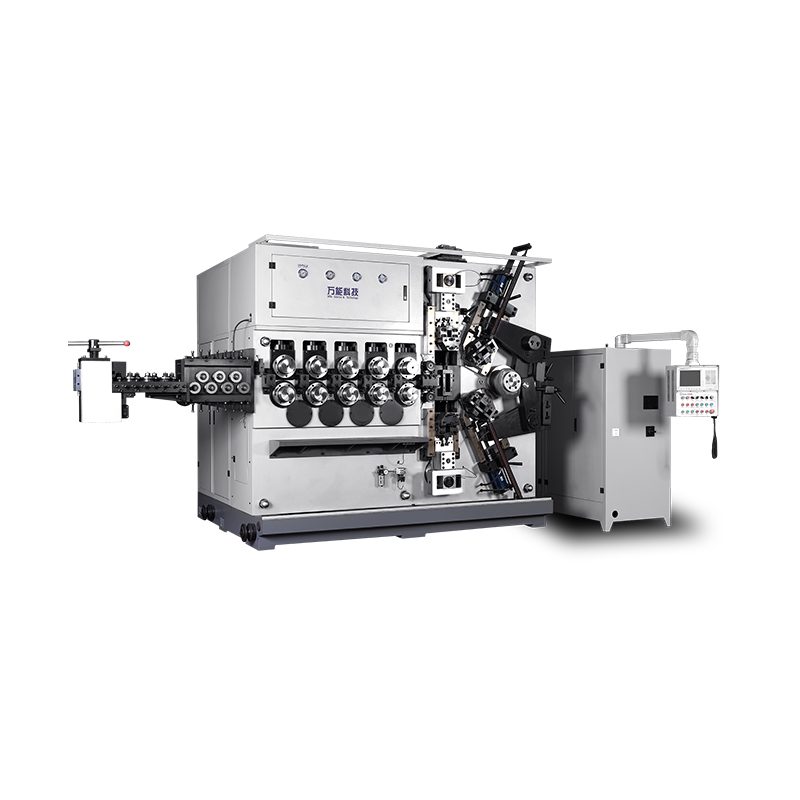
TK-5200 دستگاه سیم پیچ فنری CNC TK-5200 5AXES ...
مشاهده جزئیات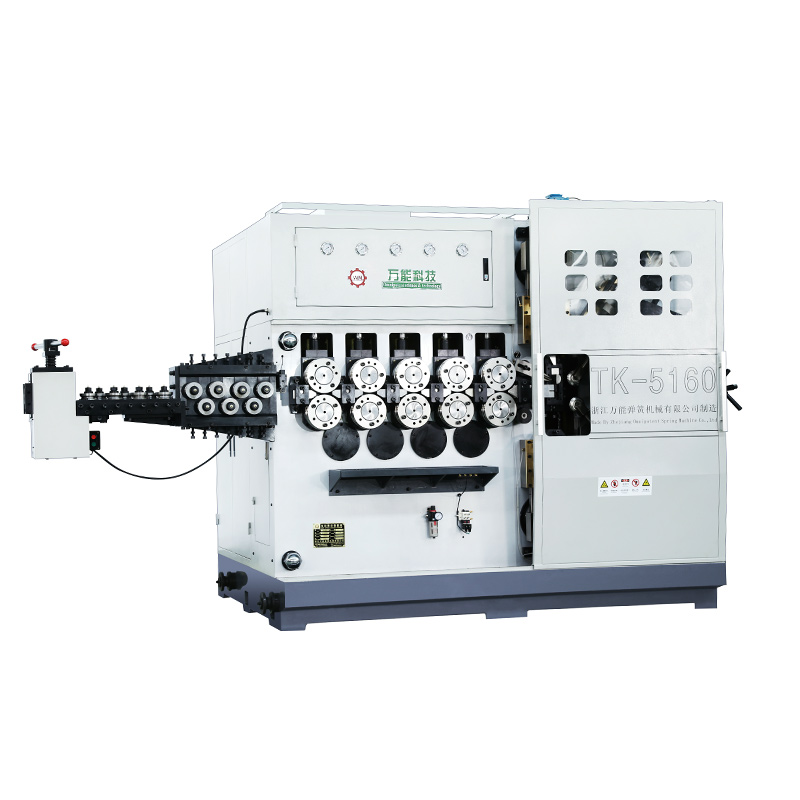
TK-5160 دستگاه سیم پیچ فنری CNC TK-5160 5AXES ...
مشاهده جزئیات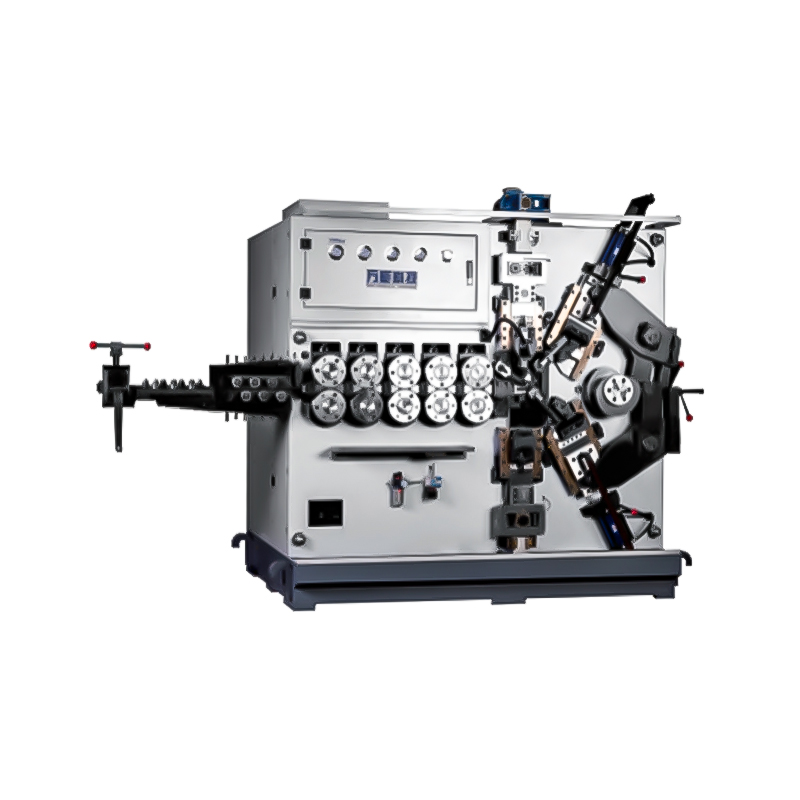
TK-5120 دستگاه سیم پیچ فنری CNC TK-5120 5AXES ...
مشاهده جزئیاتکد QR موبایل